

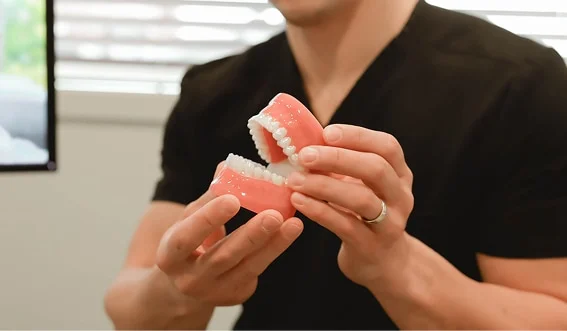
Retainers and night guards play an important role in protecting your smile. A retainer helps keep your teeth in their new positions after orthodontic treatment, while a night guard can help protect teeth from the effects of grinding and clenching. Both appliances are designed to be used regularly, so keeping them clean and in good condition is essential.
Without proper care, these appliances can collect bacteria, become discolored, or wear down over time. Fortunately, a few simple habits can help extend their lifespan and keep them comfortable to wear.
At Kanellis Family Dentistry in Sparks, NV, we want patients to feel confident caring for their dental appliances between visits. Here’s what you should know about cleaning, storing, and maintaining your retainer or night guard.

How Often Should You Clean Your Retainer or Night Guard?
Your appliance spends hours in close contact with your teeth and saliva, making daily cleaning important. Plaque, bacteria, and debris can accumulate on its surface just as they do on your teeth.
A good routine starts each morning when you remove your appliance:
- Rinse it with cool water to remove saliva and loose debris.
- Clean the appliance with antibacterial soap, gently working it around the inside and outside surfaces.
- Allow the soap to sit on the appliance for approximately two to three minutes, following your dentist’s care instructions.
- Rinse thoroughly with cool water.
- Dry it with a paper towel before storing it in its case.
It’s also important to brush and floss your teeth before putting your appliance back in. Wearing a retainer or night guard over unclean teeth can trap food particles and bacteria against the enamel and gums.
What Should You Avoid When Cleaning Your Appliance?
Although retainers and night guards need regular cleaning, some common cleaning habits can actually damage them.
Avoid hot or boiling water. Heat can warp the plastic and change the appliance’s shape. Even if the difference is difficult to see, a warped appliance may no longer fit properly.
Don’t scrub with toothpaste. Many toothpastes contain abrasive ingredients that can scratch appliance surfaces. Scratches create places where bacteria and debris can collect. Use the cleaning method recommended by your dentist instead.
Skip the dishwasher. High temperatures and strong detergents can damage dental appliances. Kanellis Family Dentistry specifically advises against cleaning retainers and night guards in the dishwasher.
Don’t use household cleaners. Bleach, alcohol-based products, and other harsh chemicals may damage the material or leave residues that shouldn’t be placed in your mouth.
If your appliance develops stubborn buildup or an odor that doesn’t go away with regular cleaning, ask your dental team about an appropriate cleaning product.
How Should You Store a Retainer or Night Guard?
When you’re not wearing your appliance, keep it somewhere clean and protected. A ventilated storage case is generally the best option because it helps prevent damage and keeps the appliance from getting lost or contaminated.
Avoid wrapping your retainer or night guard in a napkin or leaving it loose on a counter. It’s easy to accidentally throw it away, knock it onto the floor, or expose it to household bacteria.
Keep the case away from heat sources, direct sunlight, and pets. If you have a curious dog at home, make sure the appliance is stored somewhere your pet can’t reach. Dental appliances can be tempting chew toys, but they aren’t designed to withstand that kind of pressure.
Before putting your appliance away, make sure it’s clean and dry according to the care instructions provided by your dental team.
How Long Do Retainers and Night Guards Last?
There isn’t one replacement schedule that applies to every retainer or night guard. How long an appliance lasts depends on its material, how often you wear it, how well you care for it, and how much pressure it experiences.
Retainers may last for several years with proper maintenance, but they can eventually become loose, cracked, or warped. Night guards may wear down more quickly for people who grind their teeth heavily.
Watch for signs that your appliance may need professional attention, including:
- Cracks, holes, or visible thinning
- Rough or sharp edges
- A loose or unusually tight fit
- Changes in how your teeth come together
- Persistent odors or discoloration
- Discomfort when wearing the appliance
Don’t try to reshape, trim, or repair a damaged appliance at home. Even a small adjustment can affect its fit and function.
When Should You Bring Your Appliance to the Dentist?
Your retainer or night guard should be checked during routine dental visits. Your dentist can examine its condition, look for signs of wear, and determine whether it still fits properly.
It’s also a good idea to schedule an appointment if your appliance suddenly feels uncomfortable, no longer fits as expected, or appears damaged. For retainers, changes in fit can sometimes indicate that teeth have started shifting. For night guards, significant wear may suggest that grinding or clenching is placing considerable pressure on your teeth.
At Kanellis Family Dentistry, we encourage patients to bring their appliances along when they come in for an appointment. Our team can help determine whether your retainer or night guard is still doing its job or whether a replacement may be appropriate.
Protect Your Smile Between Dental Visits
A retainer or night guard is an investment in your oral health, and taking care of it doesn’t have to be complicated. Clean it daily, keep it away from heat, store it safely, and pay attention to changes in its fit or condition.
For additional instructions, visit our retainer and night guard care and maintenance page.
If you have questions about your appliance or think it’s time for a replacement, contact Kanellis Family Dentistry in Sparks, NV. We’re happy to help you keep your smile protected.


