

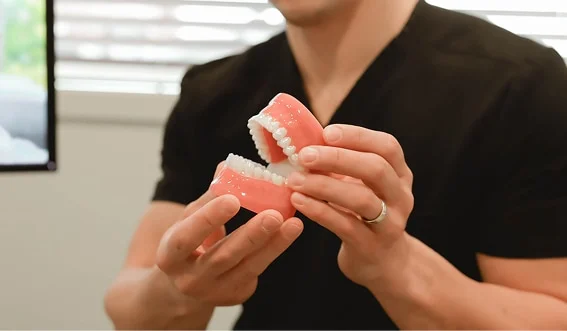
Missing a tooth can affect more than the appearance of your smile. It may make chewing uncomfortable, change the way your teeth fit together, and leave you feeling less confident. Dental implants offer a long-term tooth replacement option designed to look, feel, and function much like natural teeth.
But are dental implants right for everyone?
The answer depends on several factors, including your gum health, jawbone structure, overall health, and personal treatment goals. Even if you’ve been told in the past that you aren’t a candidate, additional procedures may make implant treatment possible.
At Kanellis Family Dentistry in Sparks, NV, we offer dental implant solutions for patients with different tooth replacement needs. Here’s what to know about candidacy and what to expect if you’re considering implants.
What Makes Someone a Good Candidate for Dental Implants?
Dental implants are small posts, typically made of titanium, that are placed in the jawbone to support replacement teeth. Over time, the implant integrates with the surrounding bone, creating a stable foundation for a crown, bridge, or implant-supported denture.
Because implants rely on the jawbone and surrounding tissues for support, a few factors are especially important.
Healthy Gums
Healthy gum tissue helps protect the structures supporting your implant. Active gum disease can increase the risk of complications and affect the long-term health of an implant.
If you have gingivitis or periodontal disease, Dr. Kanellis may recommend treating the condition before moving forward. Maintaining good oral hygiene and attending regular dental visits are important both before and after implant placement.
Adequate Jawbone
An implant needs enough healthy jawbone to support it. If you’ve been missing a tooth for a while, you may have experienced some bone loss in that area.
This doesn’t automatically rule out dental implants. Your implant dentist will evaluate the amount and quality of your available bone to determine whether an implant can be placed as planned or whether additional treatment is needed.
Good Overall Health
Your general health and medical history also matter. Certain medical conditions, medications, and lifestyle habits can affect healing and implant success.
For example, uncontrolled diabetes, smoking, and some medications may increase the risk of complications or slow the healing process. These factors don’t necessarily mean implants are off the table, but they should be discussed during your consultation.
A Commitment to Oral Hygiene
Dental implants don’t develop cavities, but the gum tissue and bone around them can still be affected by inflammation and infection.
Patients should be prepared to brush, floss, and attend routine dental checkups. Caring for an implant-supported restoration is an ongoing commitment, just like caring for natural teeth.
What If You Don’t Have Enough Jawbone for Implants?
One common concern among potential implant patients is bone loss. When a tooth is missing, the jawbone in that area may gradually shrink because it no longer receives the stimulation provided by a natural tooth root.
Fortunately, there are procedures that may help rebuild the area.
Bone grafting adds bone material to an area where additional support is needed. Over time, the graft can integrate with the surrounding bone and create a stronger foundation for an implant.
Depending on the location of the missing tooth and the amount of available bone, other techniques may also be considered. The right approach depends on your anatomy and treatment goals.
Kanellis Family Dentistry offers bone grafting as part of its oral surgery services. During your consultation, Dr. Kanellis can evaluate your jawbone and discuss whether grafting or another treatment may be appropriate.
What Is the Dental Implant Process Like?
Dental implant treatment takes place over multiple stages. The exact timeline varies based on your oral health, whether additional procedures are needed, and how your body heals.
1. Consultation and Evaluation
The first step is a dental implant consultation. Dr. Kanellis will review your medical and dental history, examine your mouth, and use diagnostic imaging to evaluate your jawbone and surrounding structures.
This appointment is also your opportunity to discuss your goals, ask questions, and learn about the available tooth replacement options.
2. Preparatory Treatment, If Needed
Some patients can proceed directly to implant placement. Others may need treatment first, such as gum disease therapy, a tooth extraction, or bone grafting.
If additional procedures are recommended, Dr. Kanellis will explain how they fit into the overall treatment plan.
3. Implant Placement
During implant surgery, the dentist places the titanium post into the jawbone. The area is then given time to heal while the implant integrates with the surrounding bone.
This healing process, known as osseointegration, is what helps create a stable foundation for the replacement tooth.
4. Placement of the Final Restoration
Once the implant has healed sufficiently, it can support a custom restoration. For a single missing tooth, this is typically a dental crown designed to blend with your surrounding teeth.
Patients missing several or all of their teeth may be candidates for other implant-supported options, including implant-retained dentures or All-on-4® restorations.
The goal is to restore the appearance and function of your smile with a solution suited to your needs.
How Much Do Dental Implants Cost?
The cost of dental implants varies depending on how many teeth need to be replaced, the type of restoration, and whether preparatory procedures such as bone grafting are necessary.
Insurance benefits may also affect your out-of-pocket expenses. Kanellis Family Dentistry files out-of-network claims with dental insurance carriers and offers an in-house dental discount plan.
Kanellis Family Dentistry also works with third-party financing providers, including CareCredit, Cherry, and HFD Lending. Depending on approval and available terms, financing may allow eligible patients to divide treatment costs into manageable payments.
Your dental team can review your treatment plan and explain the costs and payment options before you begin.
Find Out Whether Dental Implants Are Right for You
Dental implants can be an excellent tooth replacement option, but candidacy is always determined on an individual basis. Healthy gums, sufficient bone, overall health, and consistent home care all contribute to a successful treatment plan.
Even if you have bone loss or other dental concerns, you may still have options worth exploring.
Kanellis Family Dentistry provides personalized dental implant care for patients in Sparks, Reno, and the surrounding Nevada communities. To learn whether implants may be right for you, contact us to schedule your implant consultation today.


